
WHOLESALE BUYING GUIDE
A practical starting point for a stronger household range
For a distributor, retailer or institutional buyer, a useful household range begins with products that fit everyday routines and the practical needs of the people who buy them. Choosing a balanced mix of plastic household products helps businesses present more relevant options without making the range difficult to understand or manage.
Royal Homeware presents household, homecare and houseware products for business discussion. This guide outlines practical category and sourcing considerations using the product groups visible on the Royal Homeware website.
Understanding the Wholesale Plastic Household Products Market
Wholesale household buying is less about choosing one item in isolation and more about building a useful category mix. Buyers often consider how products sit together on a retail shelf, whether they answer common household tasks and whether the range gives customers clear reasons to compare shapes, uses and sizes.
For plastic homeware distributors, a considered selection can combine everyday carry, storage, washing, cleaning and kitchen-use products. The most useful starting point is to focus on the customer need each category addresses, then review the product presentation and the information available for a buying discussion.
A category-led approach also helps a buying team identify gaps before a range becomes too broad. For example, a basket discussion can be followed by storage, kitchen or cleaning requirements rather than by unrelated products. This makes it easier to plan a clear range for a retail counter, a distributor catalogue or a business sourcing conversation.
Essential Plastic Household Product Categories to Consider
Buckets and Mugs
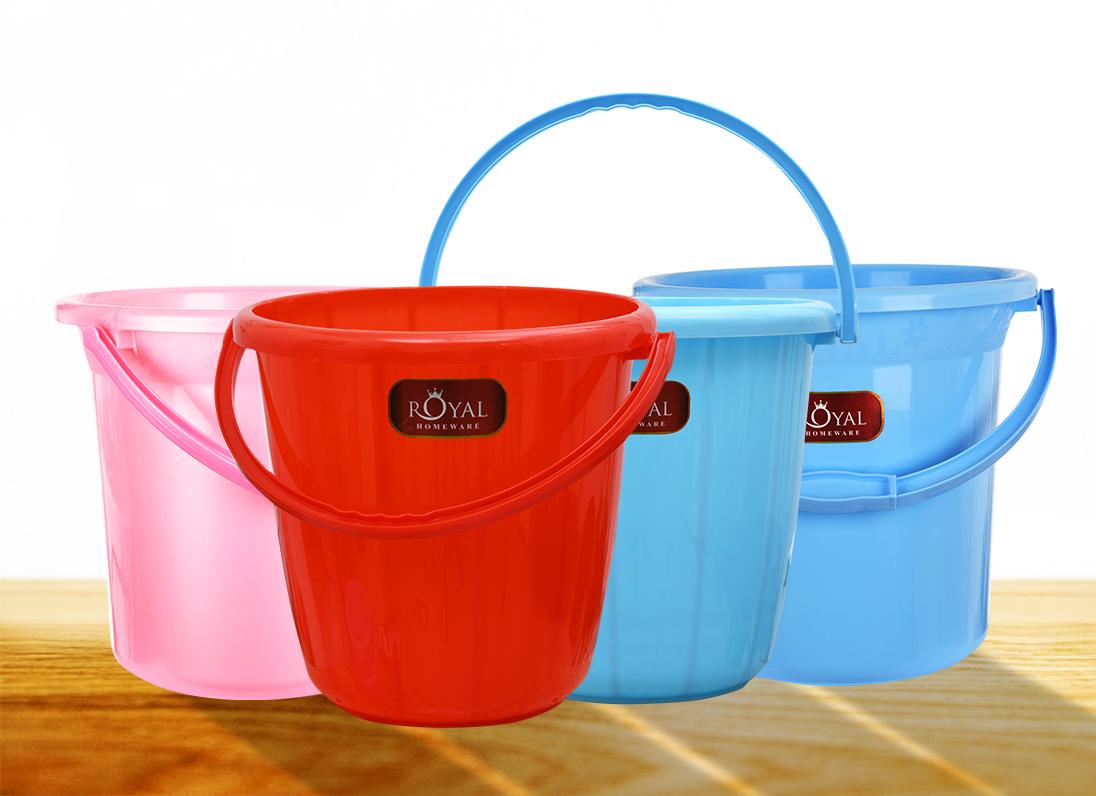
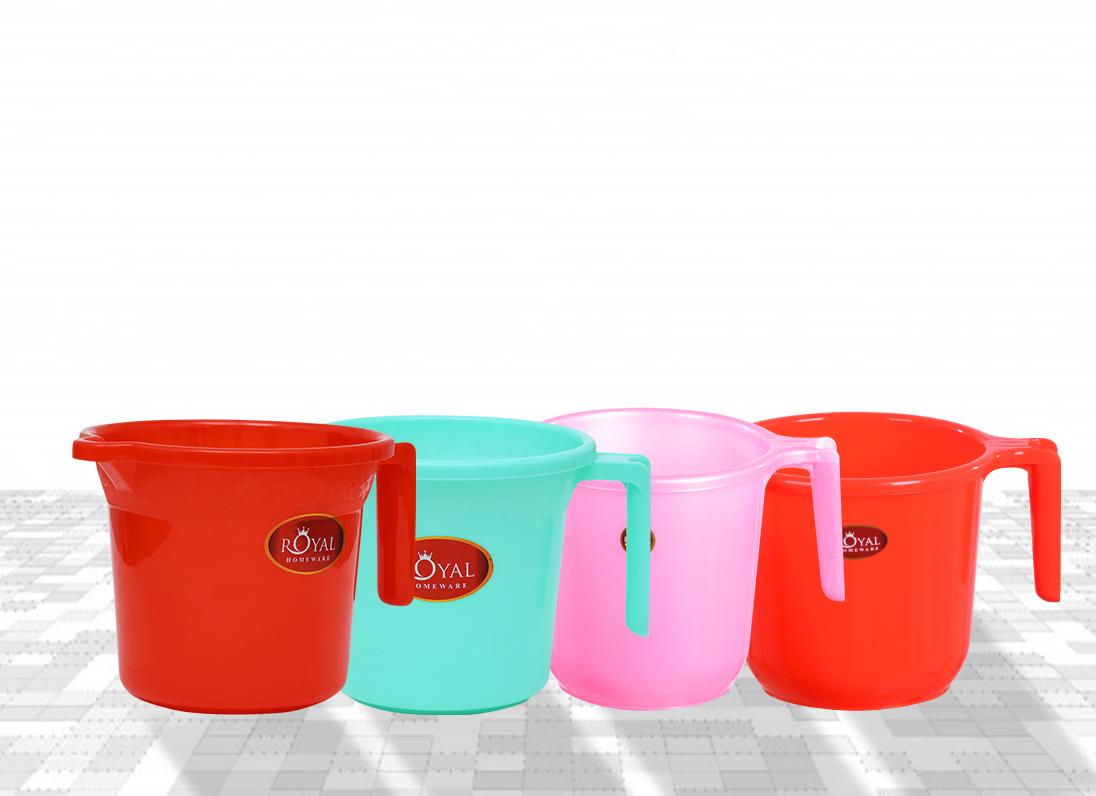
Buckets and mugs are familiar utility products that can support daily household use. When reviewing this category, buyers can consider the intended use, the size options available and how the items sit alongside other basic homeware. Royal Homeware lists Buckets and Mugs among its product categories.
Baskets and Multipurpose Stands
Baskets help buyers build a range around sorting, carrying and home organisation. The active Baskets category includes product families such as fruit baskets, kitchen baskets and shopping baskets. Multipurpose stands can complement the same practical-use conversation where appropriate.
Tubs and Stools
Tubs and stools can serve different everyday requirements, yet both are often evaluated for how they support regular household activity and display as part of a broader utility range. Royal Homeware maintains dedicated Tubs and Stools category pages.
Storage Containers and Multipurpose Boxes
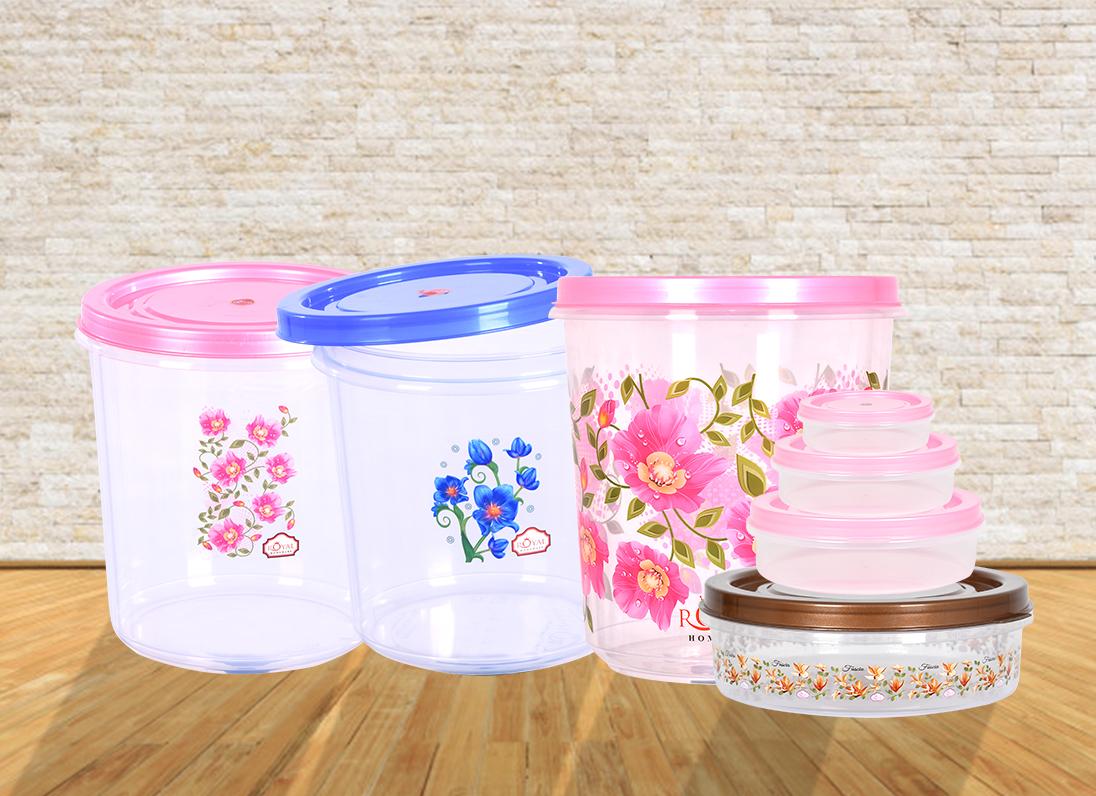
Storage products are easier to review when buyers think about the type of household item being stored, the product footprint and the way several sizes or shapes may be presented together. The website includes Containers and Multipurpose Boxes categories.
Dustbins and Cleaning Products
Dustbins and cleaning products address routine home-maintenance needs. A buyer can consider where each item is likely to be used, how it complements nearby household categories and whether the product mix gives retailers a straightforward story to present to customers.
Kitchen Baskets and Everyday Utility Products
Kitchen-use products can add another practical layer to a household range. Royal Homeware lists a Kitchen Basket category and related everyday product groups, allowing business buyers to explore relevant options without assuming a single use case for every item.
How to Choose the Right Products for Your Business
A practical sourcing review starts with the people and places a business serves. A neighbourhood retailer, a wholesale counter and an institutional buyer may each require a different category balance. Use the following points to structure a clear product discussion.
- Customer requirements: identify the household jobs customers commonly need to solve.
- Product utility: consider how each product supports a clear, everyday purpose.
- Sizes and capacities: ask which options are available for the selected product family.
- Storage and shelf space: review product dimensions and presentation needs with the supplier.
- Category mix: combine complementary utility categories instead of repeating similar items.
- Product presentation: consider colour, design and packaging information that can help a retail team present the range clearly.
These questions support an informed buying conversation without assuming specifications, commercial terms or availability before they have been confirmed.
What Distributors and Retailers Should Check Before Sourcing
Before adding products to a range, it is useful to ask for the information that matters to the intended sales channel. The following checklist keeps that discussion focused.
- Which product categories and designs are currently suitable for the buyer’s requirement?
- What size, capacity or variant information is available for the products being discussed?
- How are products presented and what supporting product details can be shared?
- Which categories work well together for the intended retail or distribution range?
- What availability and supply arrangements should be discussed directly with the supplier?
It is also helpful to separate a broad product enquiry from the details that will need confirmation later. A retailer may start with a category mix for a store, while a distributor may first want to understand the product families that fit a particular channel. This keeps the initial conversation useful without assuming prices, quantities or delivery terms.
Website enquiries are a starting point for business discussion, not a confirmed purchase order. Clear questions help both the buyer and supplier decide which products are relevant before moving forward.
Why Explore Royal Homeware's Product Range?
Royal Homeware presents household, homecare and houseware products for retailers, distributors and business buyers. Its website provides an introduction to the range, product categories and direct routes for business enquiries.
For buyers looking for a practical starting point, the Products page and category archives make it easier to explore groups such as baskets, containers and kitchen-use items. A direct enquiry can then focus on the selected categories, the intended business use and the product information required for the next step.
Frequently Asked Questions
A useful range can combine familiar utility categories such as baskets, buckets, mugs, storage containers, stools and kitchen-use products. The right mix depends on the customer needs and sales channel being served.
Yes. Include the products of interest in a buying enquiry and ask for the available size, capacity or variant information relevant to your requirement.
No. A website enquiry begins a business discussion. Product selection, availability and supply arrangements should be confirmed directly with the team.
Yes. The Products page and category archives provide a useful starting point for browsing the groups presented on the website.
Share the business type, products of interest and any known requirements through the buying enquiry route. This gives the team context for the discussion.
Explore Products and Send a Buying Enquiry
Explore the Royal Homeware product categories, then share the products and business requirements you would like to discuss.